
Published on August 29, 2025
Understanding the Terminology
Understanding the differences between modular homes, manufactured homes, and other forms of prefabricated construction is important for builders, manufacturers, regulators, and homeowners. Although these terms are sometimes used interchangeably, they can describe different construction methods and different certification requirements.
Factory-built construction offers significant opportunities to improve construction efficiency, quality control, and project delivery. Understanding the distinctions helps ensure that the appropriate standards and certification processes are applied.
Defining Modular Construction
Modular construction involves manufacturing three dimensional, volumetric building modules in a factory controlled environment. These modules may include structural framing, insulation, windows, electrical systems, plumbing, and interior finishes before being transported to the building site.
At the site, the modules are positioned on a prepared foundation, connected, and completed as required to form the finished building.
Modular construction can be used for a wide range of applications, from single family homes to multi-storey residential buildings, hotels, healthcare facilities, and commercial developments. Combining multiple modules allows manufacturers and designers to create a wide variety of building layouts and configurations.
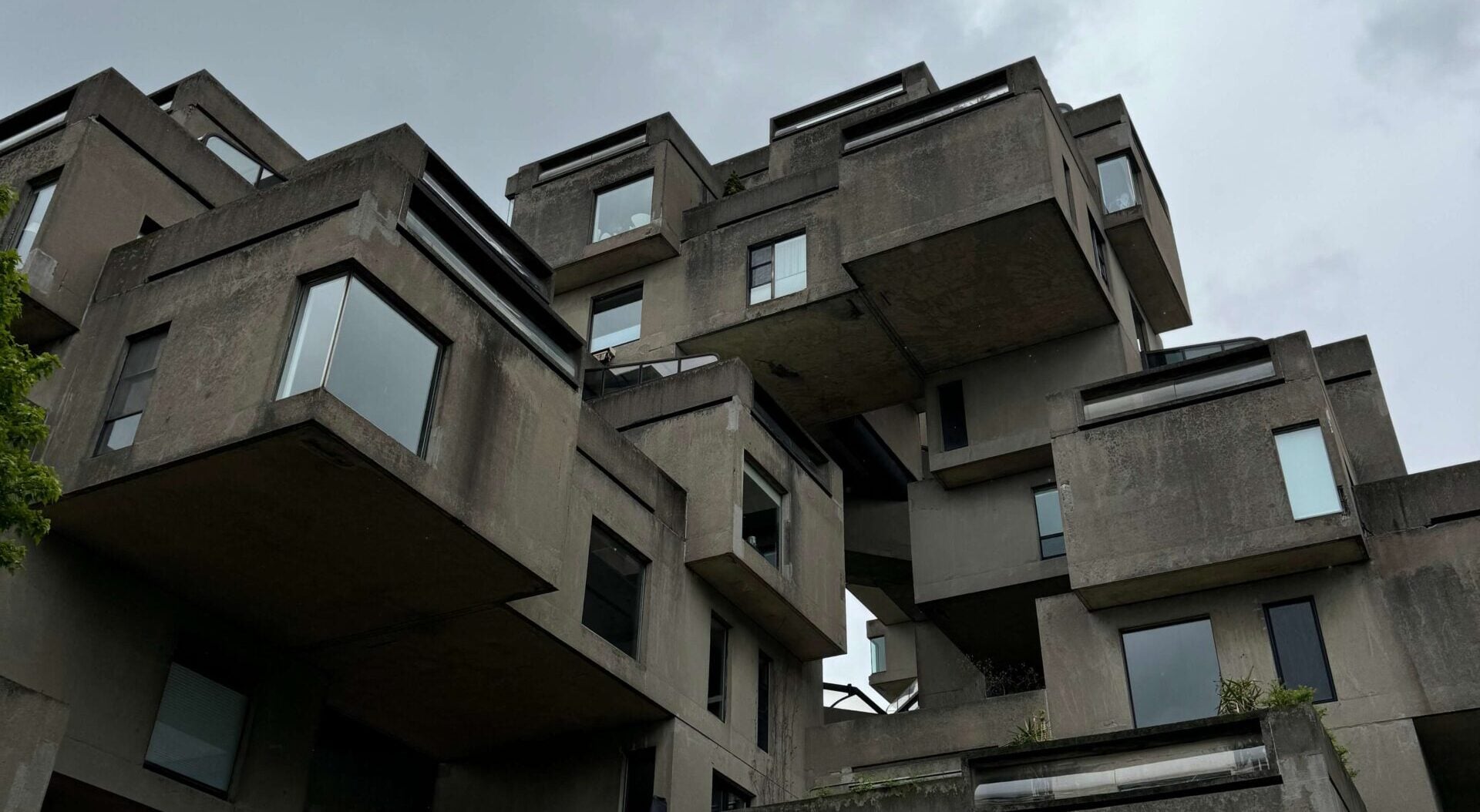
A well known example is Habitat 67 in Montreal, which demonstrates the architectural possibilities of combining prefabricated three dimensional units.
In Canada, modular buildings intended to comply with applicable building codes may be certified through the CSA A277 procedure, which establishes requirements for the certification of prefabricated buildings, modules, and panels.
Understanding Manufactured and Prefabricated Construction
The term prefabricated construction is commonly used as a broad description of building components or assemblies manufactured away from their final installation site.
These methods include several approaches:
- Panelized construction: Wall, floor, and roof panels are manufactured in a factory and assembled at the building site.
- Hybrid construction: Combines volumetric modules with panelized components or conventional site-built construction.
- Prefabricated components and subassemblies: Elements such as roof assemblies, bathroom pods, and other building components are manufactured off-site for incorporation into a larger building.
- Modular construction: Three dimensional modules are manufactured off-site and assembled at the final location.
Modular construction is therefore one form of prefabricated construction, but prefabricated construction also includes systems that do not use complete three dimensional modules.
Key Differences Between Modular and Manufactured Homes
Feature | Modular Homes | Manufactured Homes (Broader Category) |
Structure | 3D volumetric modules built entirely offsite and assembled on-site | Components (2D or partial) built offsite and assembled on-site |
Design Flexibility | Limited by transportation dimensions but scalable by combining modules | Highly flexible; allows custom design and hybrid builds |
Assembly | Modules craned into place on a permanent foundation | Panels, shells, or other prefabricated components assembled onsite |
Quality & Efficiency | High, due to full factory control and repeatable processes | High, with variability based on the type of prefab method used |
Use Cases | Single-family homes, multi-family housing, commercial and industrial buildings | Same, but also frequently used for custom or partially offsite projects |
How Are Manufactured Homes Different?
In Canada, the term manufactured home can have a more specific technical meaning. It is commonly associated with homes constructed to the CSA Z240 MH series of standards.
These homes differ from modular buildings certified through CSA A277 in their applicable technical requirements and certification framework. The appropriate standard depends on the type of building, its intended use, and the applicable regulatory requirements.
It is important not to assume that all factory built homes follow the same certification process or that one certification designation automatically satisfies every requirement for another type of building.
Why Certification Matters
Independent certification helps provide confidence that factory built construction has been assessed against the applicable technical requirements.
For buildings certified under CSA A277, the process addresses factory production controls and verification of conformity with applicable building code or other specified requirements. This supports consistent construction and provides building officials with documented evidence to assist with regulatory acceptance.
Certification does not eliminate the need to address site-specific requirements, such as foundations, installation, services, and other work completed at the building site.
For manufacturers, developers, and building owners, understanding the distinctions between modular, manufactured, and other prefabricated construction methods is an important first step in selecting the appropriate certification pathway.
NEXCERT supports confidence in factory-built construction through independent certification and conformity assessment within its accredited scope.